3rd-Party System Integrations
These are integration modules for ZKR systems with other systems used in hospitals. These integrations ensure system integrity, high-level security, and speed.
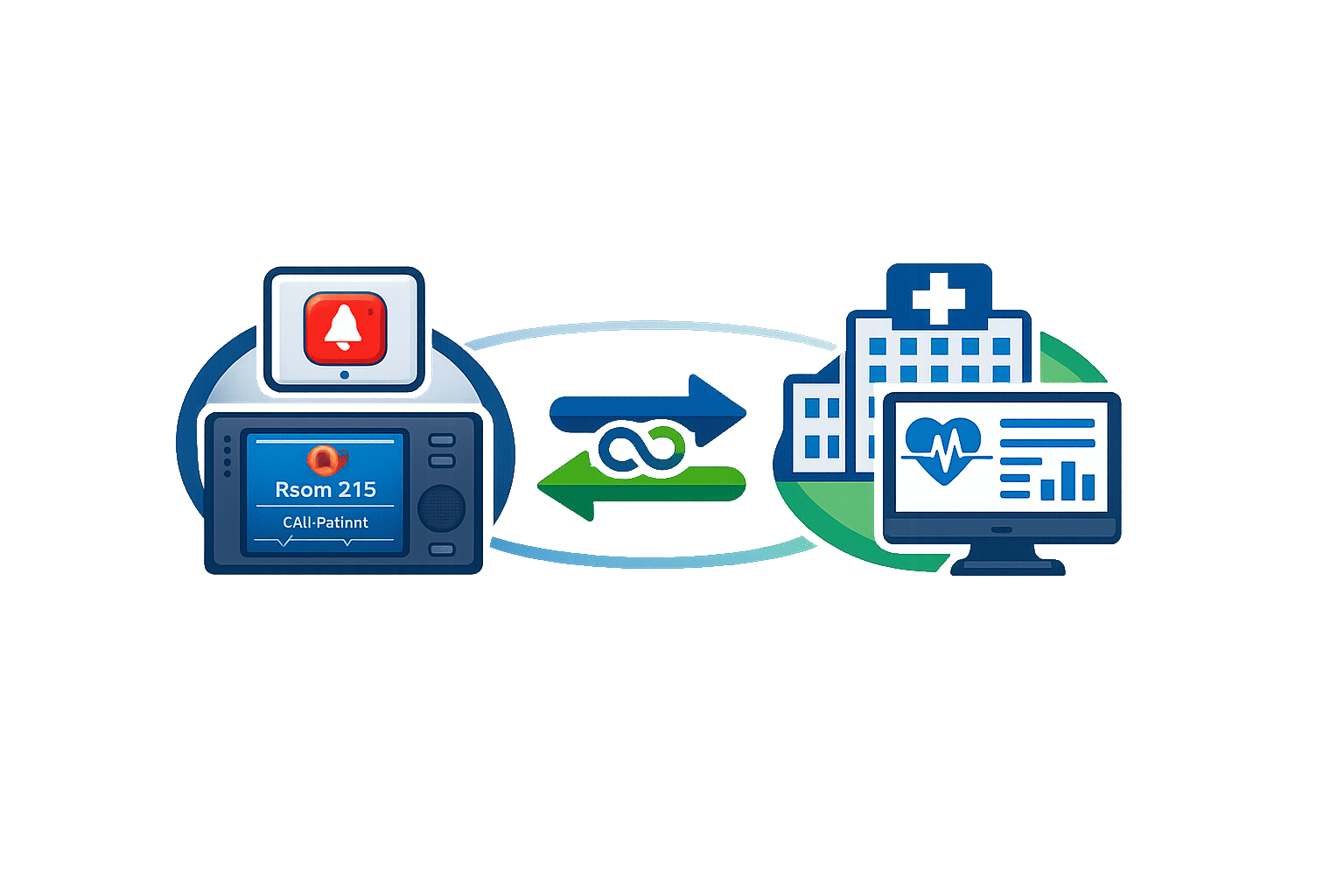
HIS Integration
Through integration with HIS systems, patient demographic data can be accessed from ZKR systems, and data can be entered from ZKR systems into HIS systems when necessary. Furthermore, ZKR systems can send all calls generated within the system to HIS in detail in real time to assist with quality management and central reporting.It does all of this independently of the protocol.The main supported protocols are: HL7, Web Services, and HTTP POST methods. Beyond these, the system is flexible for different needs and offers customized solutions.
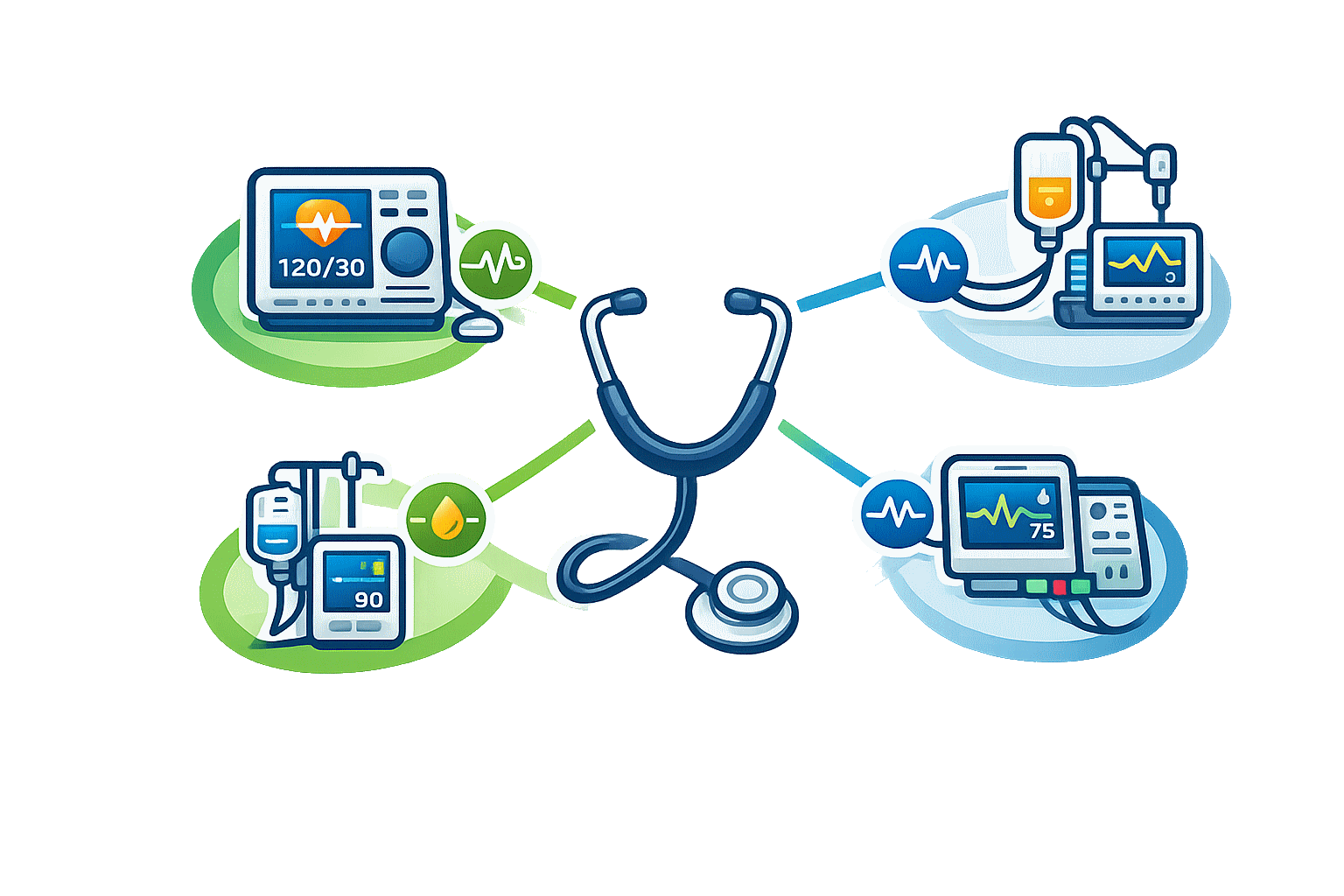
Medical Device Integration.
Modern nurse call systems must go beyond simple bedside alerts. By integrating with critical medical devices, ZKR transforms clinical alarms into intelligent workflow-driven communication. Typical device integrations include: Patient Monitors & Central Monitoring Systems (ECG, SpO₂, BP, ICU telemetry) Ventilators and Respiratory Support Devices Infusion and Syringe Pumps Dialysis and Critical Therapy Equipment Neonatal Monitoring Systems Bed-Exit and Fall Prevention Sensors Instead of forwarding every technical alarm, ZKR processes clinically meaningful events and routes them through predefined escalation paths. This reduces alarm fatigue and ensures the right caregiver receives the right alert at the right time. Through HL7, REST APIs, and secure IP-based connectivity, ZKR integrates medical device events into a unified event-driven architecture. Each alarm becomes part of a coordinated workflow — enabling acknowledgment, escalation, logging, and real-time analytics. By connecting medical devices to a clinical communication platform, hospitals move from isolated alarms to intelligent, workflow-based patient safety management.
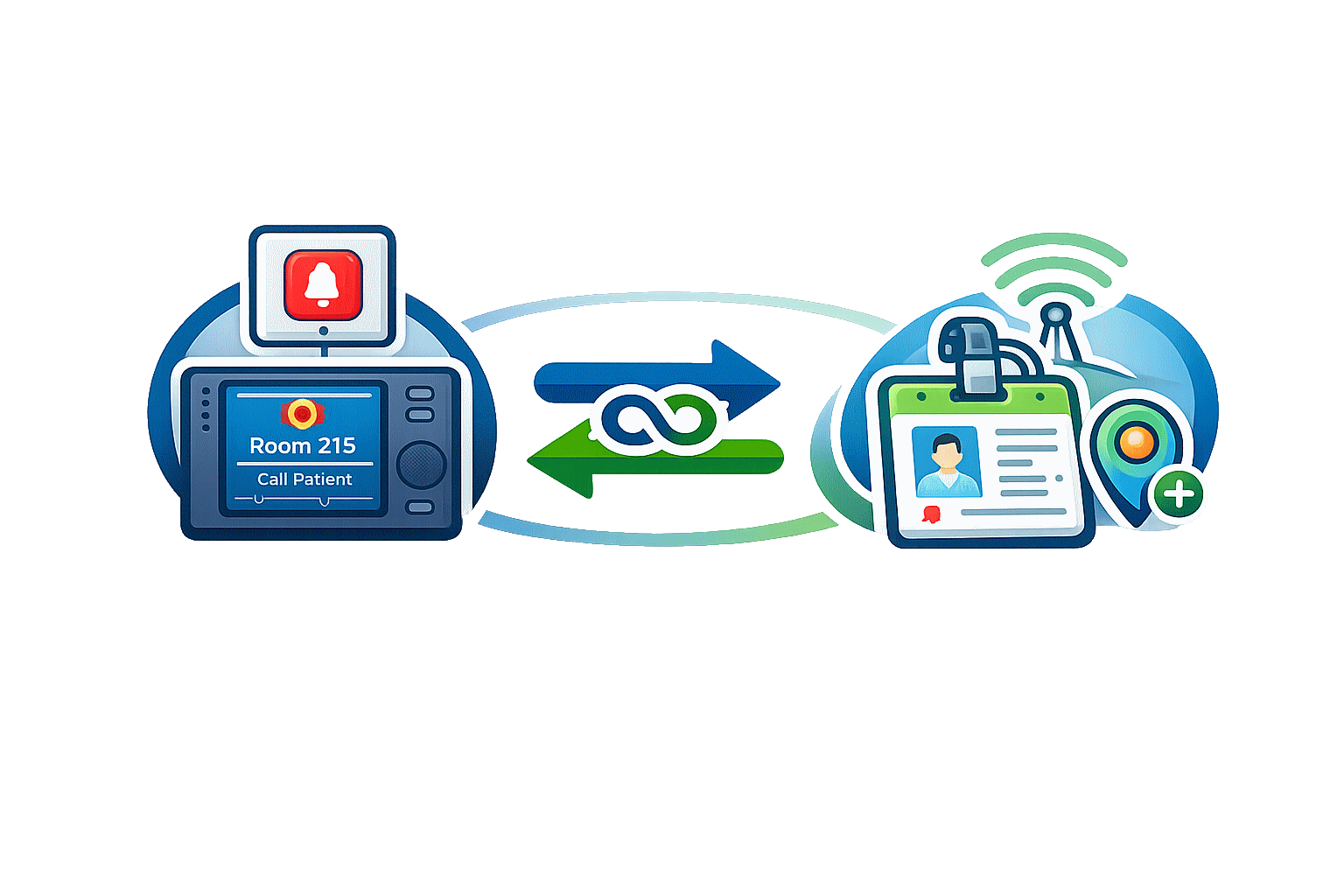
RTLS Integration
Integrating Real-Time Location Systems (RTLS) with the ZKR Nurse Call Platform transforms traditional alerts into intelligent, location-aware workflows. With RTLS integration, ZKR can automatically identify the nearest available caregiver and route alerts accordingly. This significantly reduces response times and eliminates unnecessary overhead paging. Key advantages include: Location-Based Alert Routing – Calls are delivered to the closest qualified staff member. Reduced Response Time – Faster intervention improves patient safety. Presence-Aware Escalation – Escalation paths adapt dynamically based on staff location. Improved Workflow Efficiency – Eliminates manual searching and redundant notifications. Enhanced Staff Accountability – Real-time movement tracking supports performance analytics. Accurate Event Logging – Location data enriches audit trails and operational reporting. By combining RTLS with ZKR’s event-driven architecture, hospitals move from static nurse call systems to intelligent, context-aware clinical communication platforms
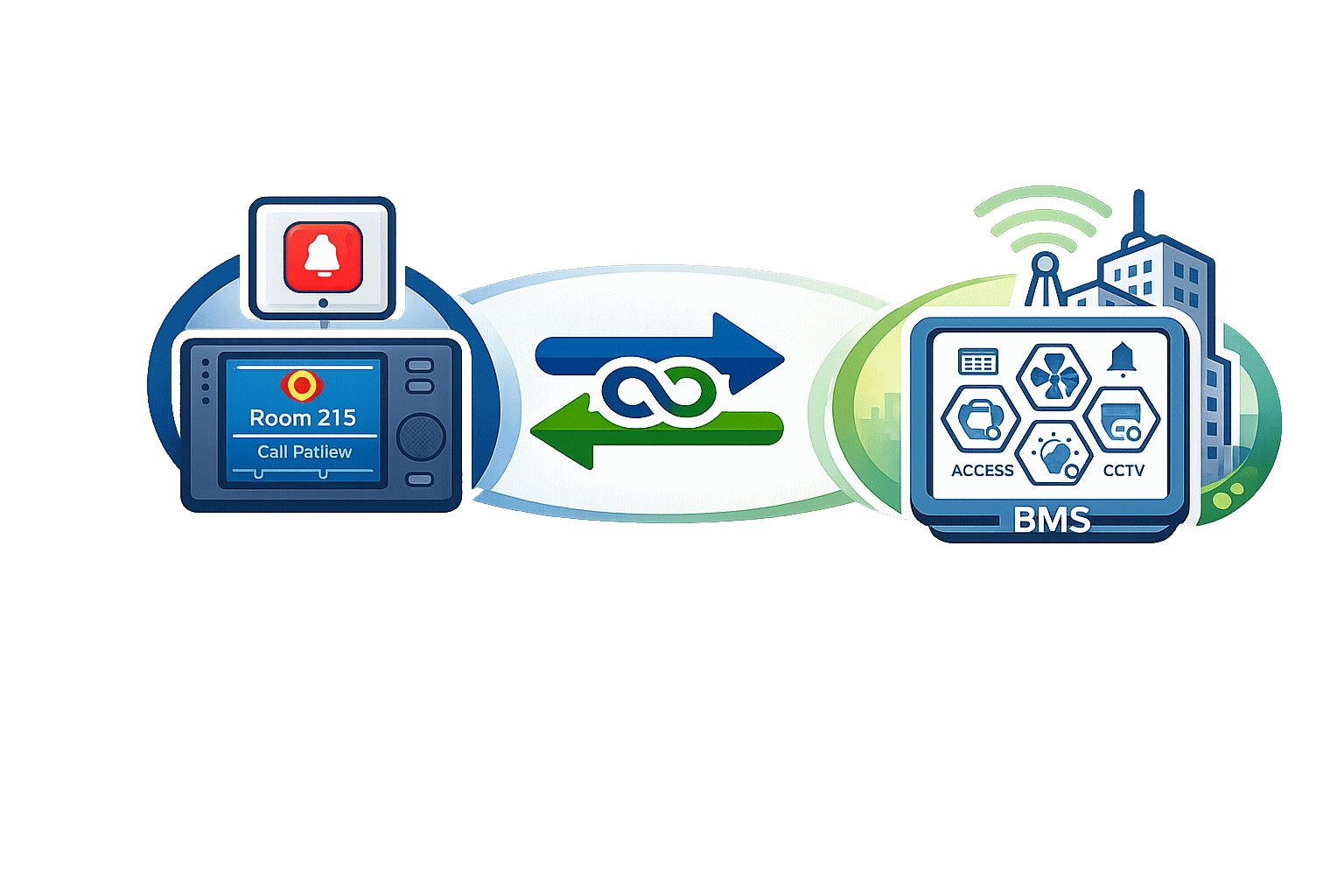
BMS Integration
Integrating the Building Management System (BMS) with the ZKR Nurse Call Platform creates a unified environment where clinical communication and facility operations work together seamlessly. Through BMS integration, ZKR can interact with lighting, HVAC, access control, and security systems in real time. This enables intelligent, workflow-based automation that enhances both patient safety and operational efficiency. Key benefits include: Automated Environmental Control – Room lighting or HVAC settings can adjust automatically during emergency or care events. Improved Safety Response – Fire alarms or security events can be instantly routed through the nurse call workflow. Centralized Monitoring – Clinical and facility alerts are visible within a single communication platform. Operational Efficiency – Reduces manual coordination between clinical and technical teams. Enhanced Audit & Reporting – Facility events are logged within the same analytics environment as clinical alarms. By connecting facility infrastructure with clinical communication, ZKR transforms isolated building systems into intelligent components of a coordinated healthcare workflow.
PA Integration
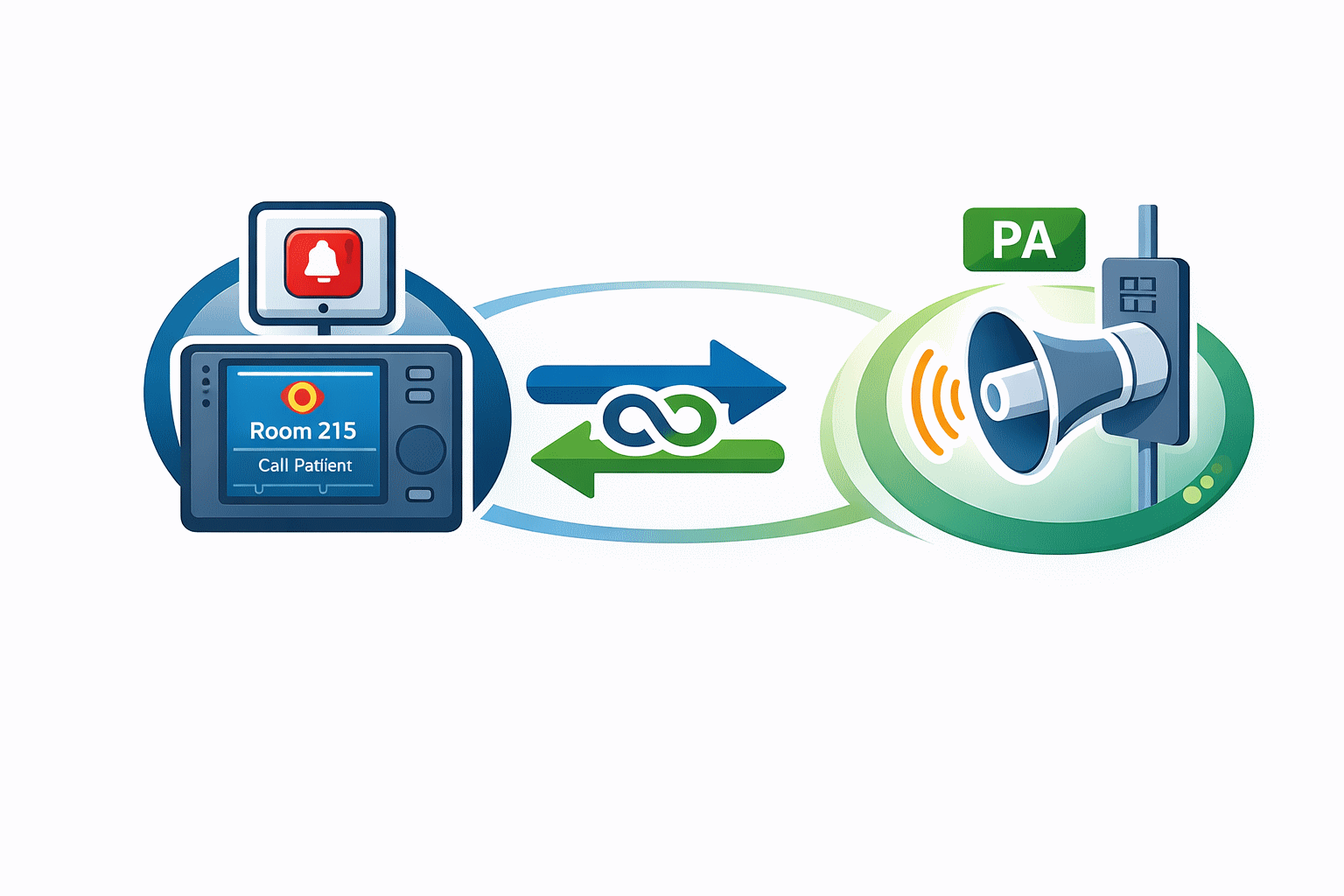
ntegrating the Public Address (PA) system with the ZKR Clinical Communication Platform enables instant, automated voice announcements triggered by clinical events. Through seamless integration, ZKR can automatically broadcast emergency codes and critical alerts to predefined hospital zones. With its built-in Text-to-Speech (TTS) capability, the system converts alarm events into clear, real-time voice announcements — without manual intervention. Key advantages include: Automatic Emergency Code Announcements (Code Blue, Code Red, etc.) Zone-Based Voice Broadcasting Text-to-Speech Powered Messaging Reduced Manual Coordination During Emergencies Faster, Standardized Communication Across the Facility By connecting nurse call workflows with the PA infrastructure, ZKR ensures that critical information is delivered instantly, consistently, and reliably throughout the hospital.
Fire Alarm Integration
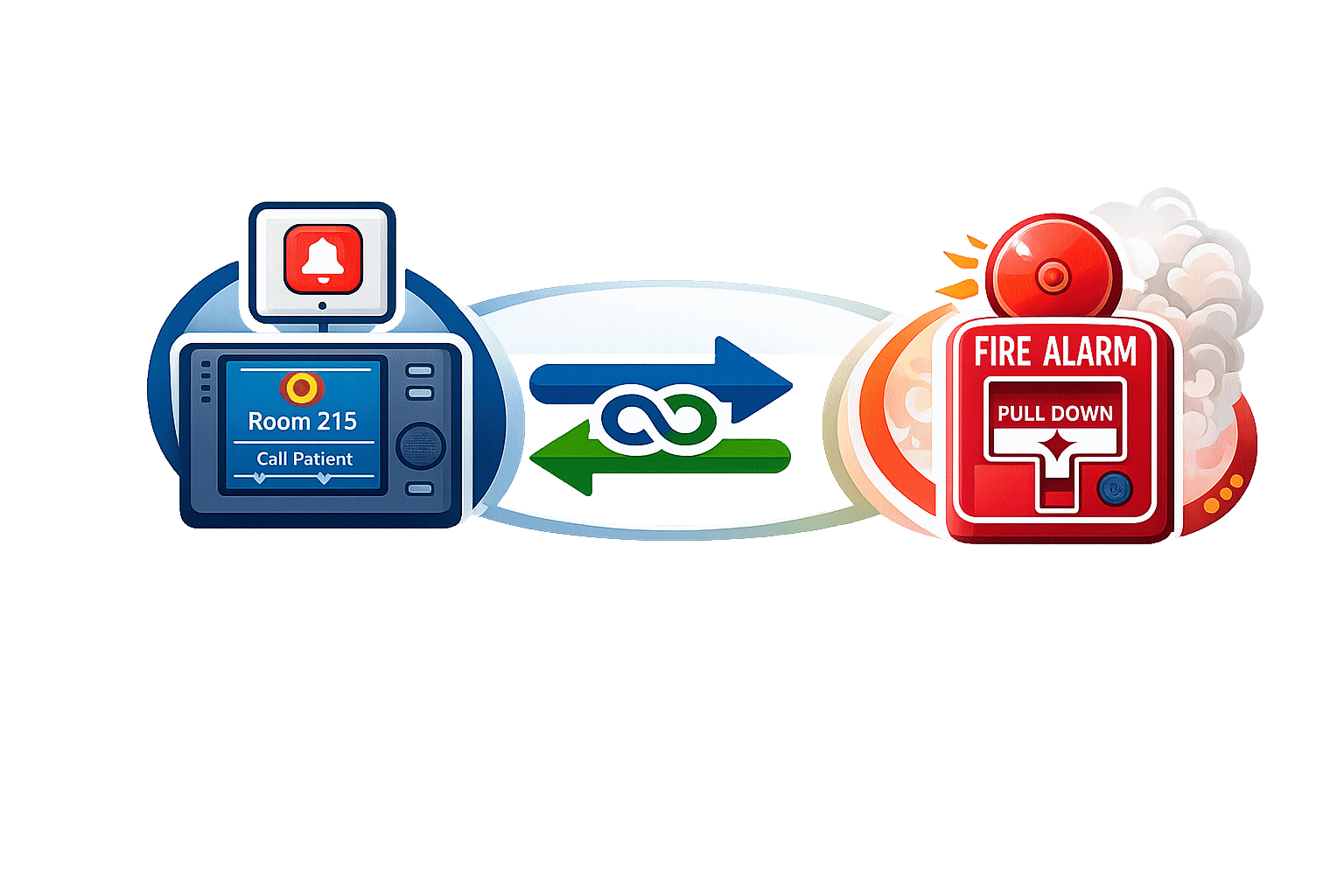
Integrating the Fire Alarm System with the ZKR Clinical Communication Platform enhances emergency coordination by bringing safety alerts directly into the clinical workflow. When a fire alarm event is triggered, ZKR can receive and display the alarm information on its nurse stations, corridor panels, and mobile devices in real time. This ensures that clinical staff are immediately aware of the affected zone or room without relying solely on centralized building panels. Key advantages include: Real-Time Fire Alarm Display on ZKR Devices Zone-Based Alert Visualization Integrated Clinical & Safety Monitoring Faster Staff Awareness and Response Centralized Event Logging and Reporting By integrating fire alarm events into the nurse call infrastructure, ZKR bridges the gap between building safety systems and clinical communication — enabling a more coordinated and efficient emergency response.